AFCON 2025 Kicks Off with a Spectacular Opening Ceremony in Morocco
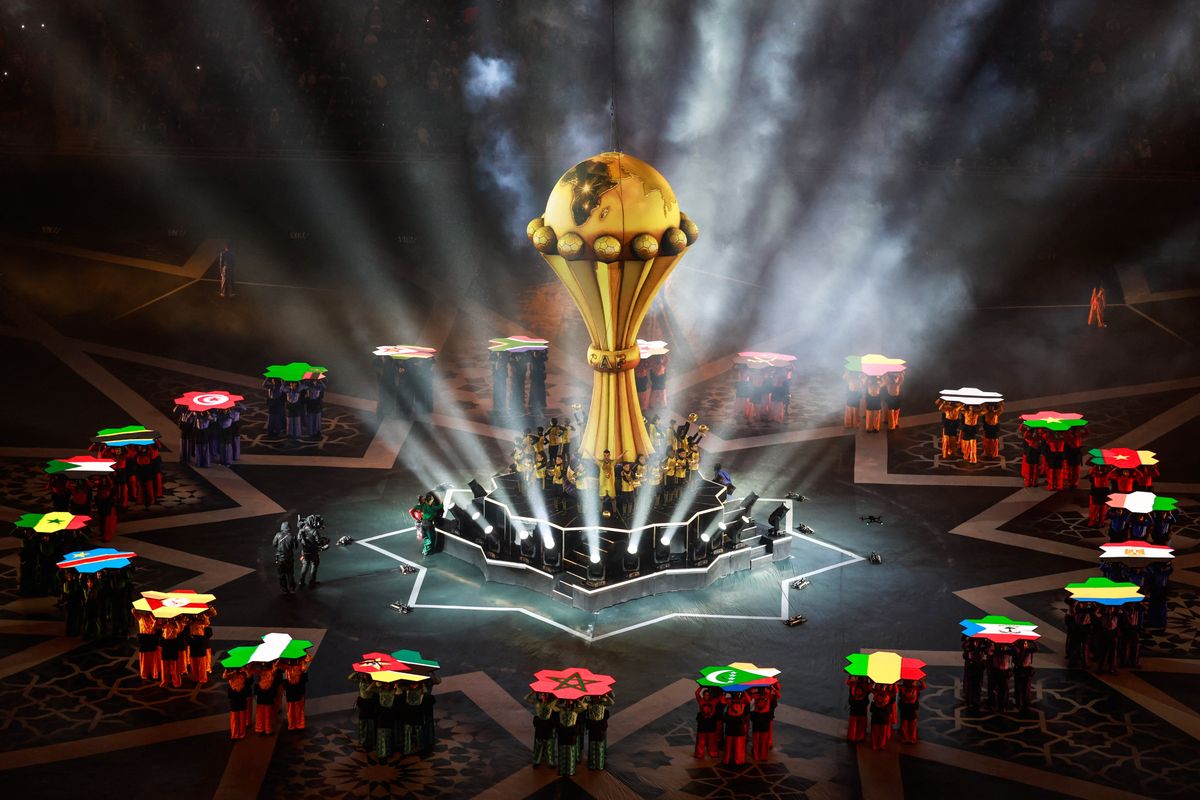
Rabat, Morocco — The 35th Africa Cup of Nations (AFCON 2025) officially kicked off on Sunday, December 21, 2025, with a dazzling opening ceremony at the Prince Moulay Abdellah Stadium in Rabat. The event set the stage for what promises to be one of the most memorable editions of Africa’s premier football tournament. Confédération Africaine de Football
🎉 A Celebration of Football and Culture
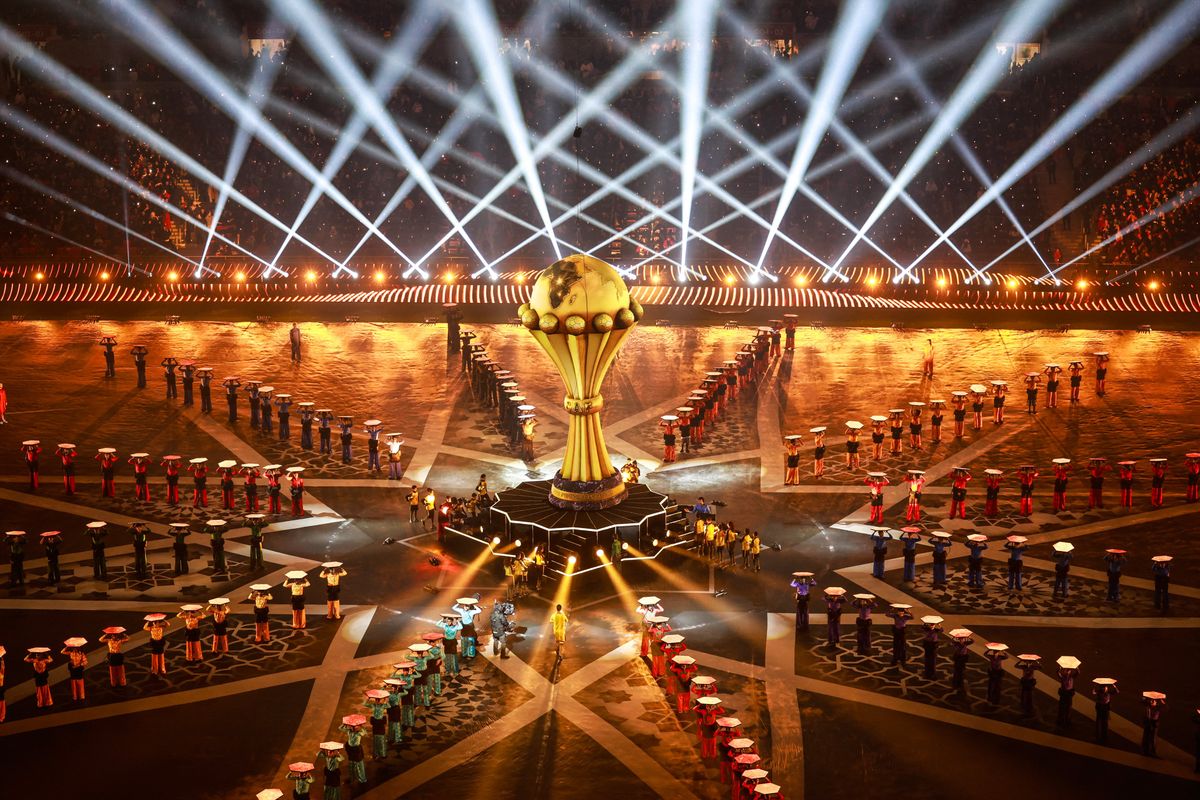
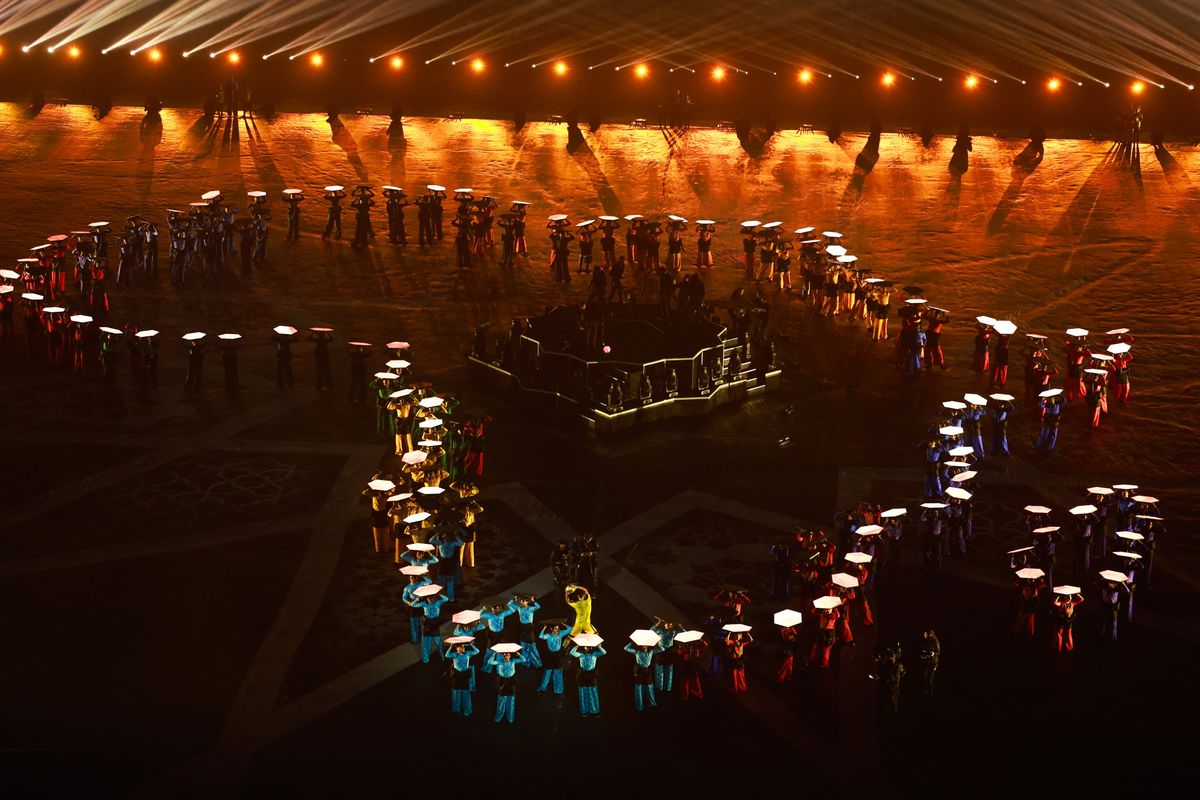
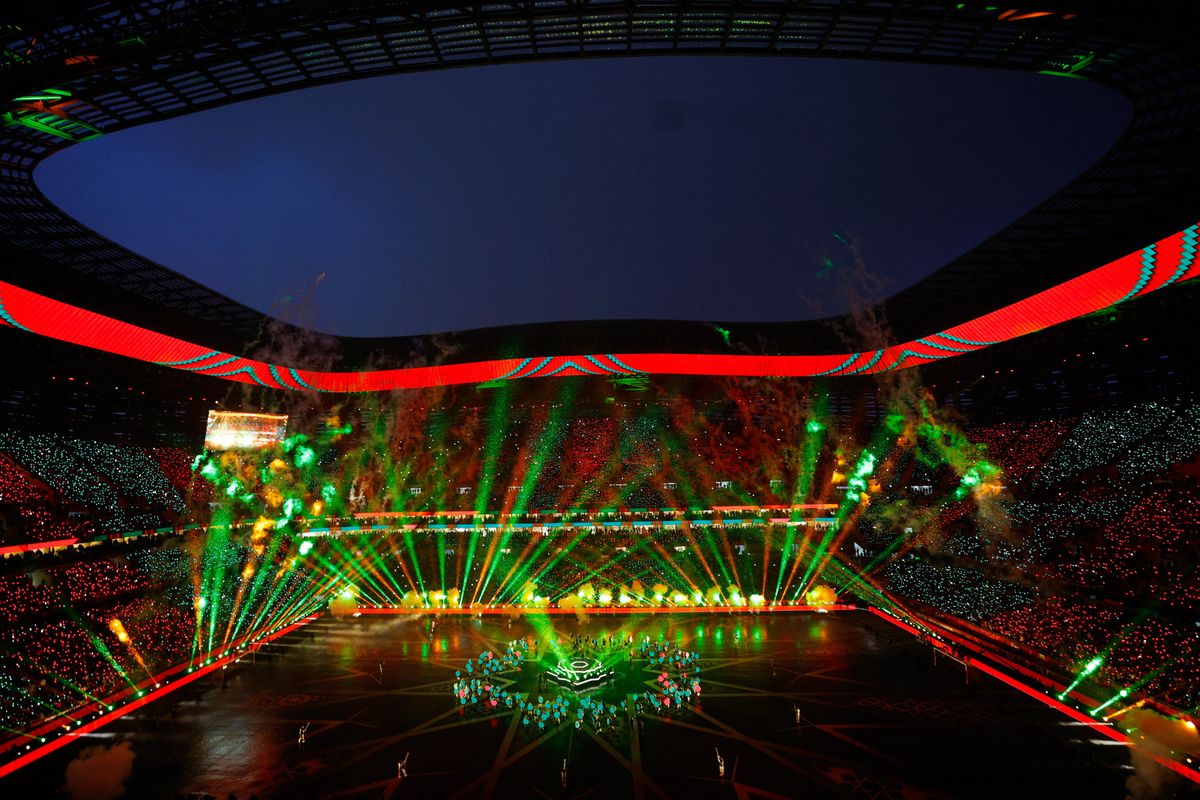
The opening ceremony was a vibrant blend of music, dance, light, and symbolism, showcasing Africa’s rich heritage and Morocco’s cultural identity. Before a sold-out crowd and millions tuning in globally, the stadium came alive with choreographed performances that fused traditional rhythms with contemporary artistic expression. Confédération Africaine de FootballA standout moment saw performers move across a pitch transformed by striking visuals, including giant projections inspired by Moroccan zellige patterns and scenes of everyday life in iconic cities like Fez, Casablanca, and Marrakech — reinforcing both national pride and continental unity.
Star-Studded Musical Highlights
Music took centre stage with electrifying performances from global and African icons. Afrobeats superstar Davido, French-Moroccan rapper L’Artiste, international sensation French Montana, and rising Moroccan artist Jaylann delivered high-energy sets that thrilled fans and amplified the entertainment factor of the evening. A particularly moving moment came with a rendition of “Allah Ya Moulana” by legendary Moroccan group Nass El Ghiwane, anchoring the show in deep cultural resonance.
Ceremony Leaders and Global Guests
The ceremony was presided over by Crown Prince Moulay El Hassan, adding ceremonial gravitas to the evening. CAF President Patrice Motsepe and FIFA President Gianni Infantino addressed the crowd, with Motsepe emphasising football’s role in uniting the continent and praising Morocco’s organisational efforts. Both leaders highlighted Morocco’s passion for the game and the significance of hosting this year’s tournament — the first since 1988. Their speeches underlined the event’s broader cultural and diplomatic importance.
Culture Meets Competition
The ceremony wasn’t just entertainment — it symbolised African unity and pride, with artistic performances that brought together traditions from across the continent. A central figure carrying a football-shaped map of Africa encapsulated this message, emphasising shared identity ahead of a month of intense competition.
