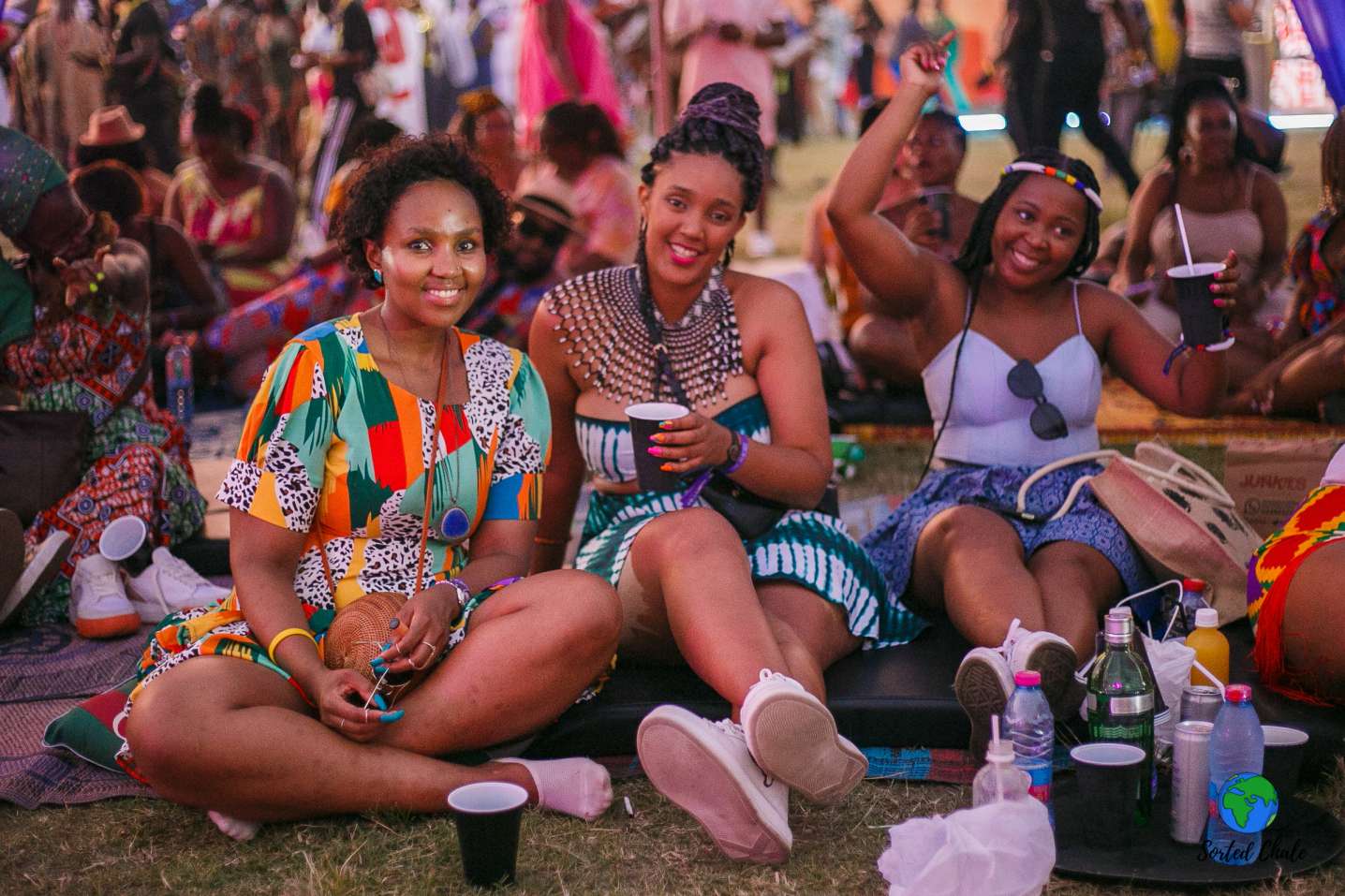
Is “Detty December” Really Dirty? Debate Grows as Festive Season Nears

As the festive season approaches, conversations surrounding Detty December have once again captured public attention in Ghana and beyond. The phrase, which has become synonymous with end-of-year celebrations, is now at the center of discussions about its meaning and cultural impact. While the term has gained wide popularity—especially among young people—it has also drawn criticism from some leaders who feel its meaning may be misunderstood or carry negative connotations.
For several years, the Ghana Tourism Authority has promoted the country’s December festivities under the official brand December in GH. This year’s schedule of events was unveiled earlier in October, featuring a diverse range of cultural, musical, and social activities across the country.Despite the official branding, the phrase Detty December has become the preferred way many youths describe the excitement and vibrancy of the season. The term was originally coined by a promoter associated with music events and has since been embraced on social media and in pop culture.
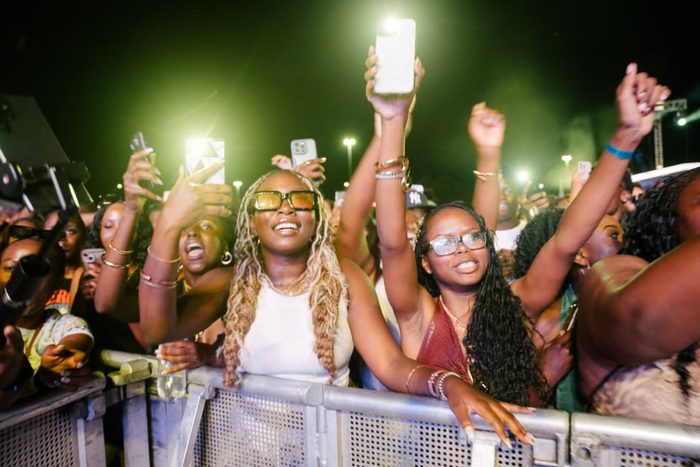
However, concerns have been raised by public figures who worry that the phrase suggests excessive or morally questionable behavior. The Speaker of Parliament, for example, warned that associating the festive period with the idea of being “dirty” could lower moral standards and send the wrong message to both residents and visitors.Religious leaders have also weighed in. A senior cleric argued that linking a word often interpreted as “dirty” with the month traditionally associated with the birth of Jesus Christ could misrepresent the spirit of Christmas celebrations.These differing opinions highlight ongoing debate about what Detty December truly represents. Critics say the term appears focused on partying and nightlife, potentially overshadowing deeper cultural values associated with the holiday season.
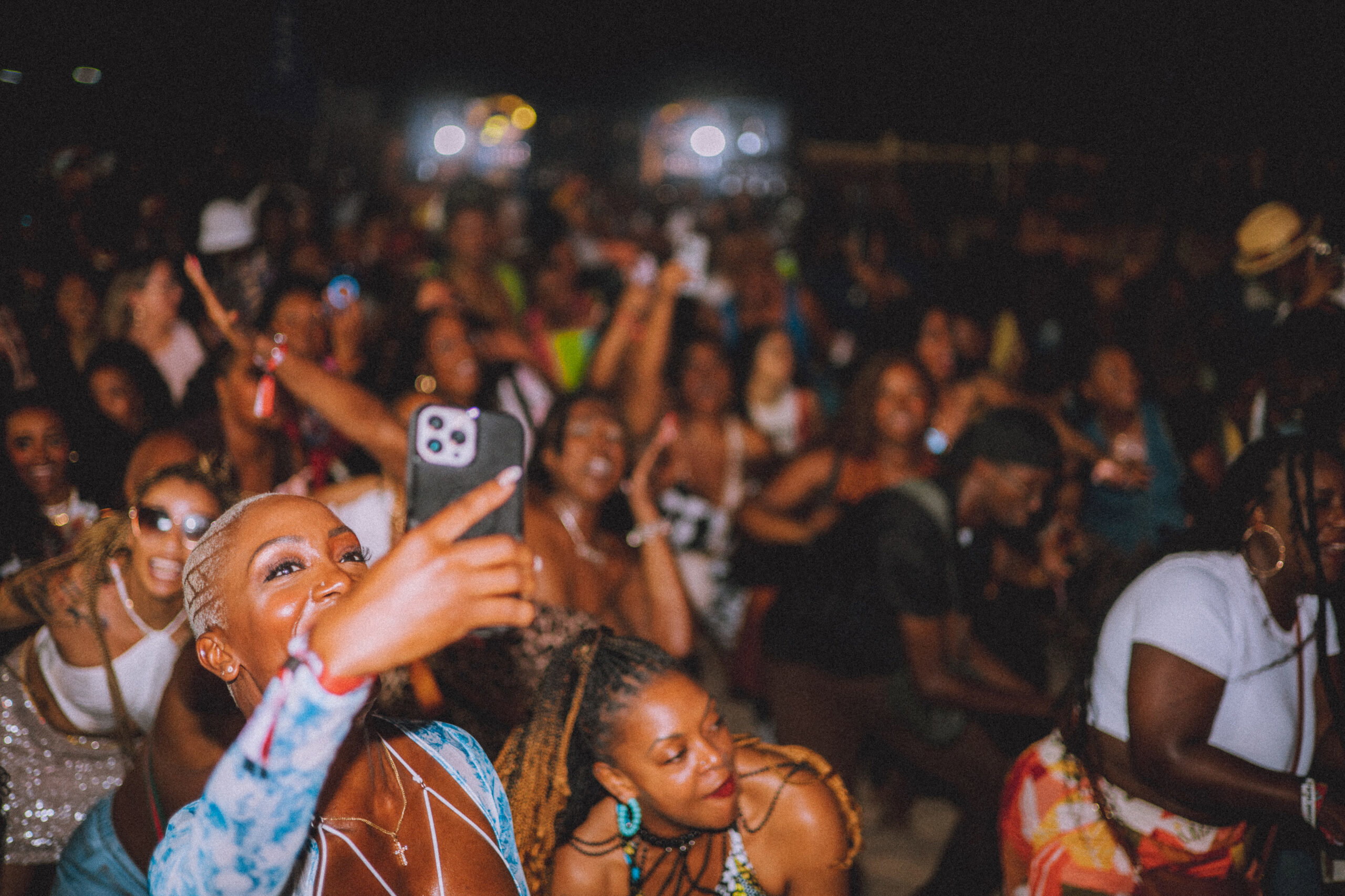
Supporters, however, argue that the phrase reflects the energy, joy, and cultural expression of young people during the festive period. They point to the significant economic impact of the season, noting that large numbers of visitors from across Africa and the diaspora come to Ghana in December, boosting tourism, hospitality, and creative industries. Advocates for a broader perspective suggest that rather than focusing solely on the label, attention should be on the positive outcomes of the season. These include job creation, cultural exchange, and the promotion of Ghana as a destination for global celebrations. Some commentators also note that similar celebrations are taking place in other countries, including neighboring Nigeria, where concerts, beach festivals, and carnival-style events have become part of the end-of-year experience. As the debate continues, many believe the focus should remain on celebrating Ghana’s rich culture, fostering responsible tourism, and ensuring that the festive season remains inclusive and meaningful for all.