Nigerians Rush to Buy Petrol as Customs Sells Fuel at ₦600 per Litre
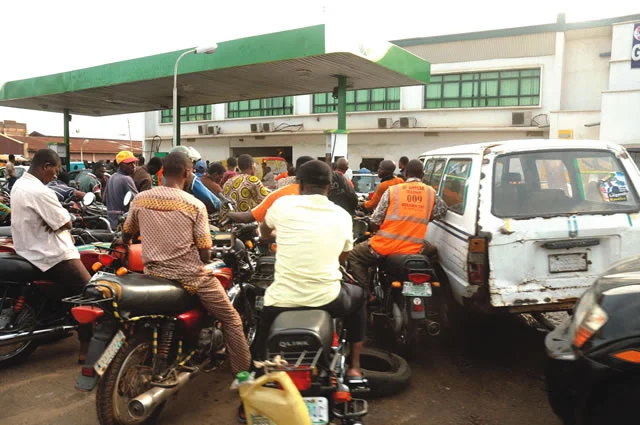
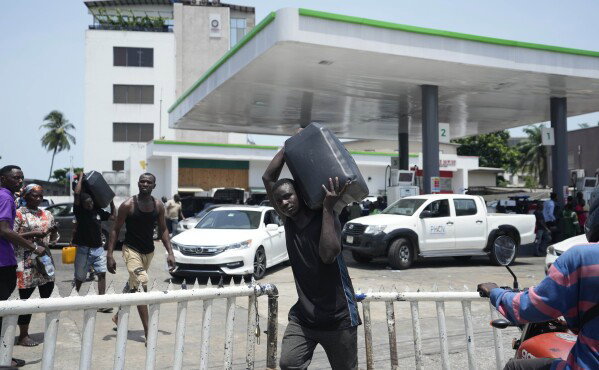
Ibadan, Oyo State — A surge in demand for petrol was witnessed in parts of southwestern Nigeria after the Nigeria Customs Service (NCS) made a limited supply of seized fuel available to the public at ₦600 per litre, an unusual price point amid ongoing fuel market challenges. The NCS said it sold approximately 14,000 liters of intercepted petrol to residents in Ibadan, the Oyo State capital, following the seizure of the fuel along the Igbeti–Ogbomoso highway. Originally intended to curb smuggling and illegal diversion of petroleum products, the release created sharp interest among motorists and local consumers looking for alternative sources of fuel.
Why This Sale Drew Attention
Unlike normal retail channels, where petrol prices have been unpredictable due to scarcity and distribution bottlenecks, the seized-fuel sale offered a rare, relatively lower price — albeit still high compared to official pump prices before subsidy reforms. The ₦600 per litre mark, while cheaper than some black-market rates, reflects broader instability and supply challenges affecting the downstream fuel market in Nigeria. Across various states, consumers have faced long queues and inflated pump prices as filling stations cope with inconsistent supplies and rising operational costs. Analysts point to factors such as foreign exchange pressures, logistical constraints, and the aftermath of subsidy removal as contributing to price volatility in the sector.
Public Reaction and Economic Pressures
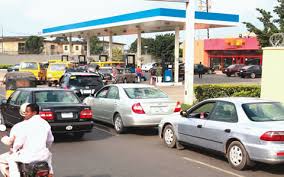
Residents who secured petrol during the NCS sale expressed relief at being able to purchase fuel at the offered rate. Many cited the high cost of fuel elsewhere and the strain it places on transportation and everyday expenses. However, some critics argue that such irregular fuel releases — while helpful in the short term — do little to address structural issues in the supply chain.Economists and industry watchers have repeatedly called for more sustainable solutions, including improved domestic refining capacity and clearer policies to stabilise fuel distribution and pricing. This has become increasingly urgent as Nigerians continue to navigate the economic pressures of fluctuating fuel costs and scarcity.
Supporting Efforts to Combat Smuggling and Stabilize Prices
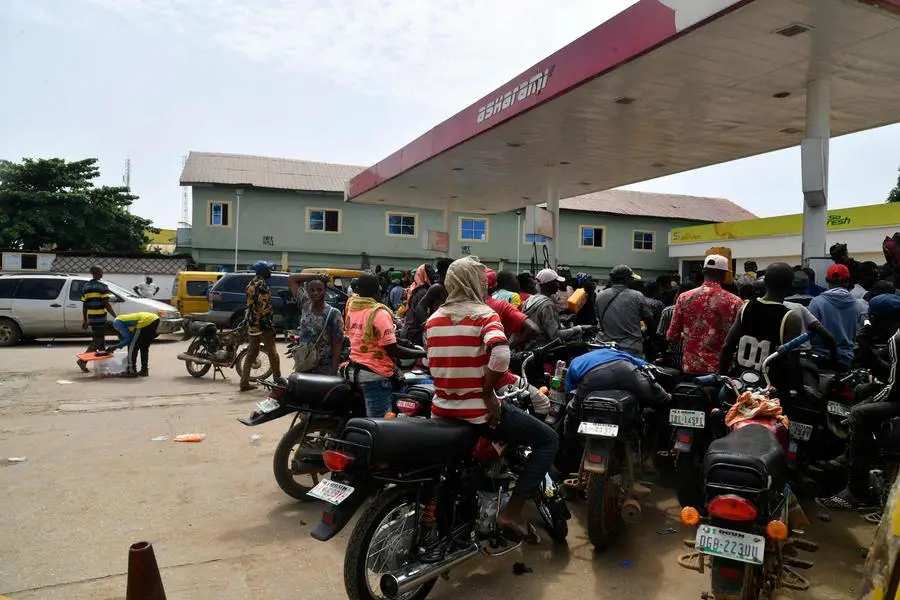
The NCS reiterated its commitment to tackling fuel smuggling and other unlawful activities that undermine Nigeria’s energy sector. Authorities have appealed for cooperation from communities and motorists to report suspicious fuel distribution practices to support broader efforts to maintain fair market conditions. While the seized petrol sale provided a short-lived reprieve for some buyers, it highlights the ongoing complexities of fuel supply and pricing in a country that still relies heavily on imports of refined petroleum products. The situation continues to fuel public debates about policy direction, consumer protection, and economic reform.
