Tiwa Savage Breaks Down in Tears Over Not Having a Husband: A Moment of Vulnerability That Sparked Conversation
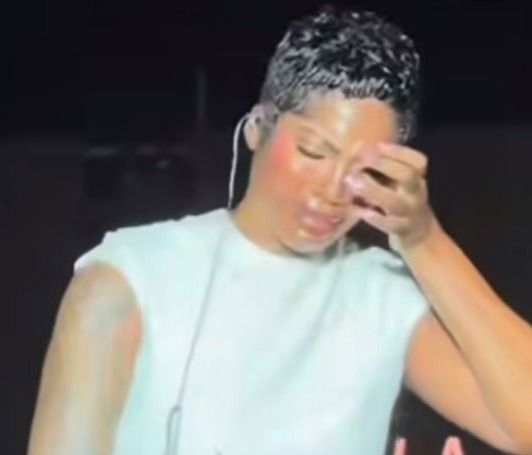
Nigerian music superstar Tiwa Savage recently stirred widespread discussion after an emotional moment in which she openly expressed sadness about not having a man she could call her husband. The moment, which many fans described as raw and deeply human, revealed a side of the award-winning artist that the public rarely sees—one marked not by fame or success, but by longing and vulnerability.
A Rare Glimpse Behind the Spotlight
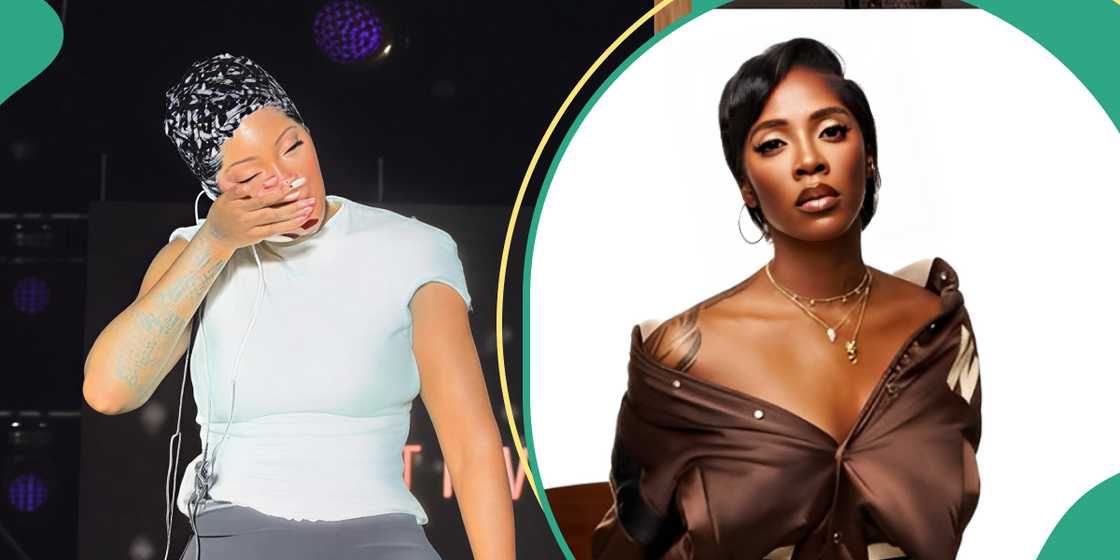
Tiwa Savage is globally celebrated for her talent, influence, and trailblazing role in African music. With numerous awards, international recognition, and a powerful personal brand, she represents success by many standards. Yet, during the emotional moment, she acknowledged that professional achievement does not automatically fulfill every personal desire.Her tears reflected a deeply personal struggle—the absence of a life partner to share love, companionship, and emotional support. For many observers, this was a reminder that even those who appear to “have it all” can still experience loneliness and unmet emotional needs.
The Pressure on Women to “Have It All”
Tiwa Savage’s emotional expression resonated with many women because it highlighted a broader social reality. Across cultures, successful women often face intense pressure to balance career achievement with marriage and family life. When one area flourishes while another lags behind societal expectations, the emotional toll can be significant. Her tears were not just about marriage itself, but about the emotional desire for partnership, stability, and shared life experiences—something many women can relate to, regardless of status or fame.

Public Reaction: Empathy and Debate
The public response to Tiwa Savage’s emotional moment was mixed but largely empathetic. Many fans praised her honesty, applauding her for breaking the illusion that strength means emotional silence. Others used the moment to spark conversations about:
- The stigma around unmarried women
- Emotional loneliness among high-achieving individuals
- The unrealistic expectations placed on women by society
While some critics questioned why marriage should define happiness, supporters emphasized that personal desires are valid—even when they don’t align with modern narratives of independence.
Redefining Strength and Vulnerability
Tiwa Savage’s tears did not signify weakness; rather, they represented courage. In a world where celebrities are often expected to appear unshakable, showing genuine emotion challenges harmful norms around perfection. Her moment of vulnerability encouraged conversations about emotional honesty, self-worth, and the freedom to want love without shame.
A Human Story Beyond Celebrity
At its core, this was not just a celebrity story—it was a human one. Tiwa Savage’s experience reflects a universal truth: success in one area of life does not eliminate emotional needs in another. Wanting a life partner does not negate independence, nor does being single diminish personal value.
Conclusion
Tiwa Savage’s emotional moment served as a powerful reminder that behind fame and fortune are real human emotions. Her tears opened a space for honest dialogue about love, loneliness, societal expectations, and the complexity of modern womanhood. More than anything, it reinforced the idea that vulnerability is not a flaw—but a shared human experience.
