US Conducts Air Strike in Nigeria Against Islamic State Militants — A Major Escalation in Counter-Terrorism Cooperation
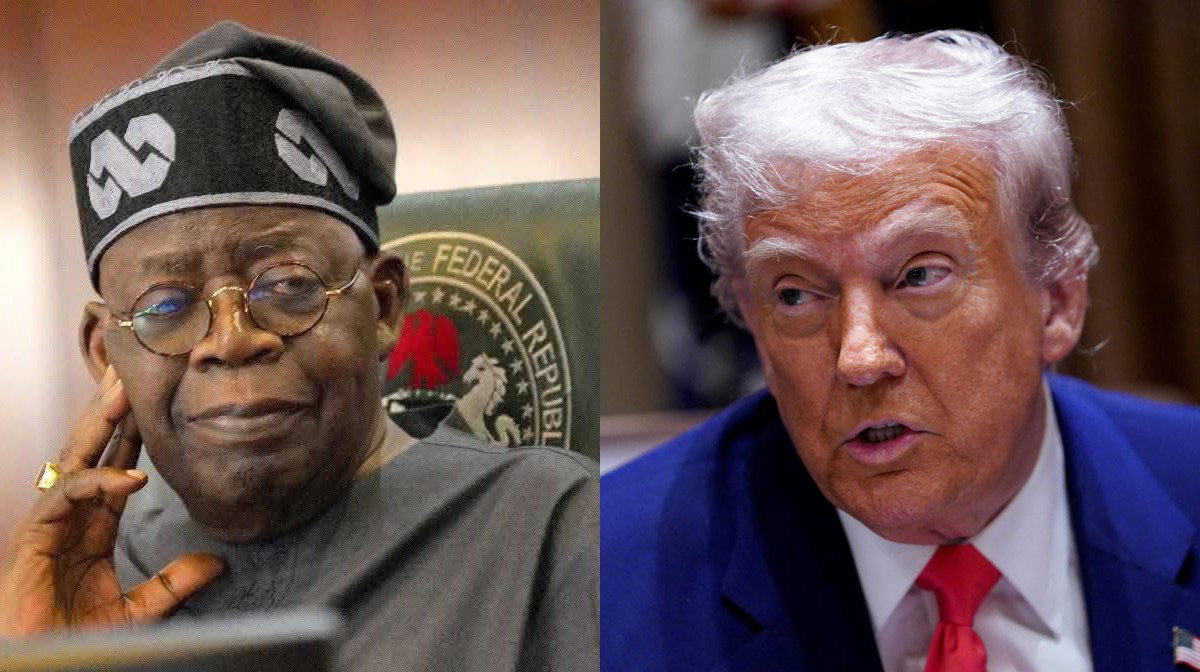
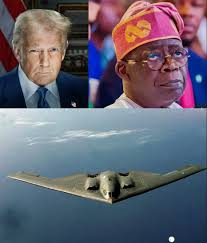
In a significant development over the Christmas holiday period, the United States military carried out air strikes in northwest Nigeria, targeting militants linked to the Islamic State (IS or ISIS) group. The operation, announced by US authorities on December 25, 2025, marks a major escalation in international involvement in Nigeria’s long-running security crisis.President Donald Trump confirmed that the air strikes were launched under his direction, describing the operation as “powerful and deadly” and aimed at extremists he accused of targeting and killing civilians, primarily Christians. According to statements from the United States military’s Africa Command (AFRICOM), the strikes were coordinated with Nigerian authorities and took place in Sokoto State, a region in northwest Nigeria where cells affiliated with the Islamic State Sahel Province are believed to operate.
What Happened
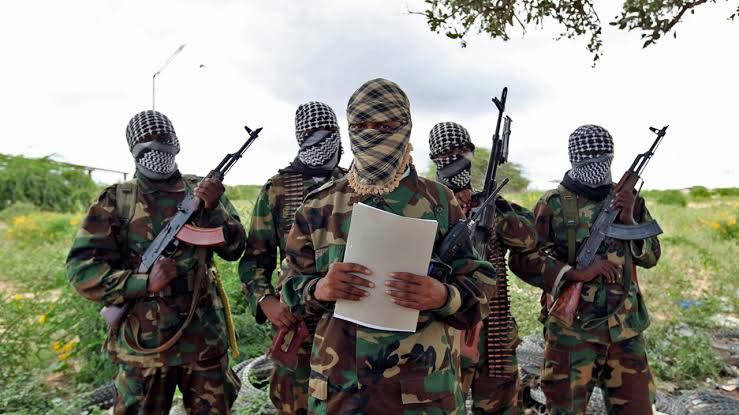
The air attacks were carried out late on Christmas Day, signalling a rare direct US military action on Nigerian soil. The official US position is that the strikes targeted Islamist militants linked to ISIS and that multiple insurgents were killed, although precise casualty figures have not been publicly released. US defence officials said that the strike was conducted with precision in cooperation with Nigerian security partners as part of ongoing counter-terrorism efforts. ReutersThe White House and military spokespeople framed the operation as a response to persistent extremist threats that have destabilised parts of northern Nigeria and neighbouring regions. US officials have also described the move as part of broader security cooperation between Washington and Abuja aimed at dismantling terror networks and restricting their ability to stage attacks against civilian populations.
Nigeria’s Response and Cooperation
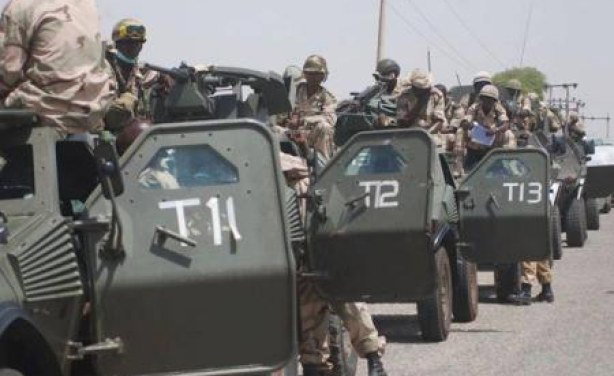
Nigeria’s Federal Government acknowledged its cooperation with the United States, emphasising that the action was part of structured security cooperation involving intelligence sharing and coordinated counter-terrorism planning. In an official statement, Nigerian foreign affairs representatives reiterated that all collaborative efforts are conducted within international law, respecting Nigeria’s sovereignty and prioritising civilian safety. The government asserted that violent attacks in the country affect people of all faiths, not only members of specific religious communities. NairametricsPublic announcements from Abuja made clear that Nigeria continues to face a complex security landscape with multiple armed groups, including ISIS-linked factions and Boko Haram, operating in different regions. Officials said the cooperation with international partners aims to weaken violent networks, disrupt funding and logistics, and strengthen national security capabilities.
Domestic and International Reactions
The strikes prompted a range of reactions both within Nigeria and internationally. Some Nigerian political figures criticised the way information about the operation was communicated, noting that the United States publicly announced the air strike before Nigeria’s government had briefed its own citizens. Critics argued this raised questions about national sovereignty and transparency in military cooperation. Others welcomed the intervention as necessary support for Nigeria’s security forces, which have been stretched thin by ongoing insurgencies and rising extremist violence. Prominent voices in civil society and some religious leaders expressed concerns about foreign military involvement, warning that allowing external powers to conduct military operations on Nigerian soil could have long-term implications for national autonomy and social cohesion. A number of commentators urged caution and called for broader diplomatic engagement to address root causes of violence beyond military action.
Context and Broader Security Challenges
The air strikes come amid longstanding security challenges in Nigeria, where Islamist extremist groups have carried out attacks against both civilian and military targets for many years. Although Boko Haram originated in the northeast, Islamic State Sahel Province elements have increasingly been reported in the northwest, contributing to a multi-front conflict that has displaced millions and destabilised entire regions.Experts have noted that military action is only one component of addressing the deep-rooted causes of insecurity in Nigeria, which include economic disparities, weak governance, and limited state presence in remote communities. Many analysts argue that a comprehensive response — combining improved security capacity with socio-economic development and conflict resolution — is essential for lasting peace.
What This Means Going Forward
The United States’ decision to intervene militarily in Nigeria represents one of the most high-profile international military actions in the country in recent history. It underscores the perceived seriousness of the extremist threat and highlights strategic cooperation between Washington and Abuja on counter-terrorism.While details about further operations have not been fully disclosed, U.S. defence officials have hinted that additional coordinated actions could follow if extremist threats persist. Meanwhile, Nigeria’s government continues to emphasise that security cooperation must respect national sovereignty and protect all citizens, irrespective of religion or ethnicity.As Nigerians and the international community await more information, the strikes have already sparked important discussions about foreign military involvement, national security priorities, and the best path forward in the fight against violent extremism in West Africa.
